Current Status

Not Enrolled

Price

$127.00

Get Started

8

Lessons

5

Videos

All Levels

Skill Level

2hr 45min

to complete

Flexible

Your pace

Examine cutting edge brain evidence for GWT's crucial prediction of dynamic, widespread integration and broadcasting

In 1983 Bernard Baars proposed Global Workspace Theory (GWT), which started out as a purely psychological account of how a small amount of what we experience gets selected, integrated, and broadcast widely enough to become conscious.

To account for the continued rise of brain evidence, psychological understanding, and complexity of the living brain, Global Workspace Theory has advanced from a widely used framework to a leading testable theory.

One of the GWT’s crucial predictions is “widespread integration and broadcasting”.

This prediction can be most directly tested by brain activity, so neuroscientist Alea Skwara and researcher Ilian Daskalov sit down with Baars and make him answer for it, paper by paper, against the actual brain evidence that’s accumulated since.
They work through 4 specific empirical cases to see where GWT actually stands today:

  • Baars own 2013 paper, the result of three decades of work, argues that the brain doesn’t need one fixed anatomical hub for conscious cognition, but a dynamic, momentary functional hub the way a city’s busiest intersection can shift depending on the hour.
  • Gaillard and colleagues’ 2009 study out of Paris shows that a consciously perceived word lights up the brain more widely and for longer than the same word flashed too fast to notice.
  • A Yale epilepsy team’s discovery of an actual “switch and wave” — a shift away from the brain’s resting default network, followed by a wave of gamma band activity in the first second of conscious perception — gives the theory a measurable signature.
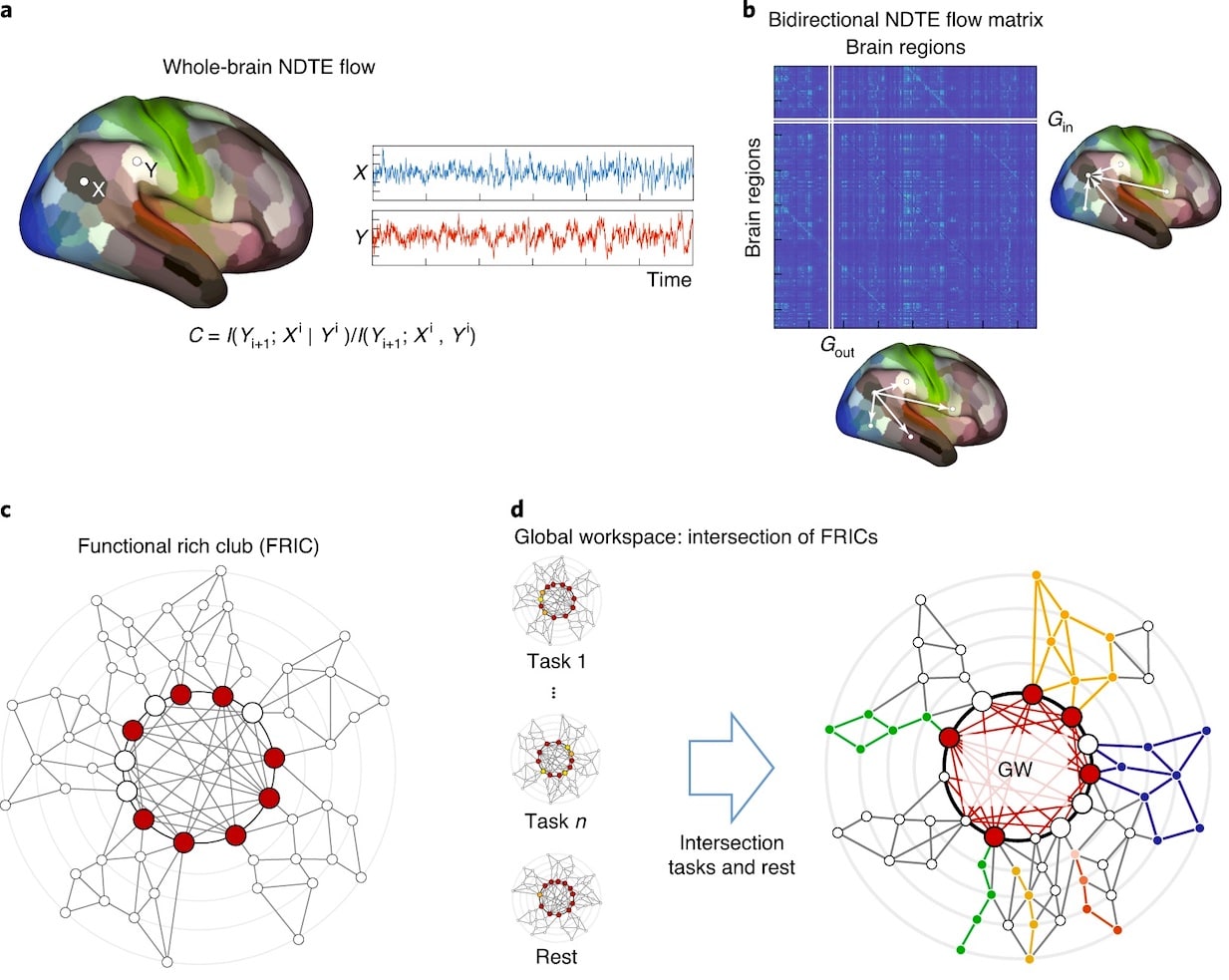
  • And Deco et al.’s “functional rich clubs” propose that certain functional hubs and intersections in the brain’s connectome carry disproportionately more of the integrative traffic.

Along the way, the conversation turns to compelling questions that make this material worth sitting with like feelings of knowing, the neuroscience of gut instinct, and why introspection — a word that’s been fairly smeared in psychology — is actually how two centuries of solid sensory science got built, including the earbuds you may be wearing right now.

Baars, Skwara & Daskalov disagree where the evidence is still thin, and debate honestly about what remains unknown.

Press play. Let’s see what the evidence shows.

Four Papers, One Theory: Does the Brain Evidence Hold Up?

A gamma wave, a functional rich club of neurons, and the evidence for how a thought becomes conscious. Explore the links between cutting edge brain evidence and how that supports or updates our understanding of consciousness and Global Workspace Theory (GWT).

Watch a brief preview of this course →

LEARNING OUTCOMES: After completing this course, you will gain the skills to

Who is this course for?

This course is for you if you are interested in, or teach, or study any of the following subjects: Psychology, Neuroscience and Education, Cognitive Science, Health Education, or Philosophy. And anyone working in AI who wants to understand the biological basis of consciousness before assuming machine minds.

Trusted by academics

What to know

Develop Expertise In

Psychology, Cognitive Neuroscience, AI

Shareable Certificate

Add to LinkedIn profile or Resume

English

Transcripts & Downloadable PDFs

Expertise & Foundation for this Course

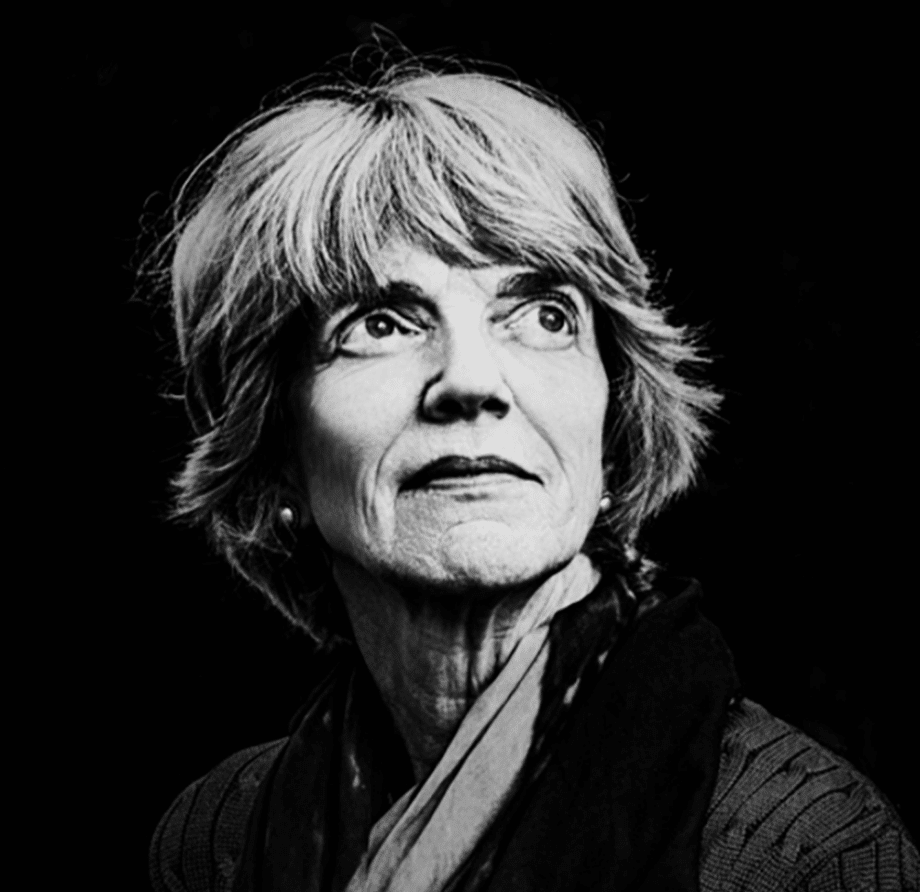
Bernard Baars

Psychobiologist, FAU

Alea Skwara, PhD

Neuroscientist, UC Davis

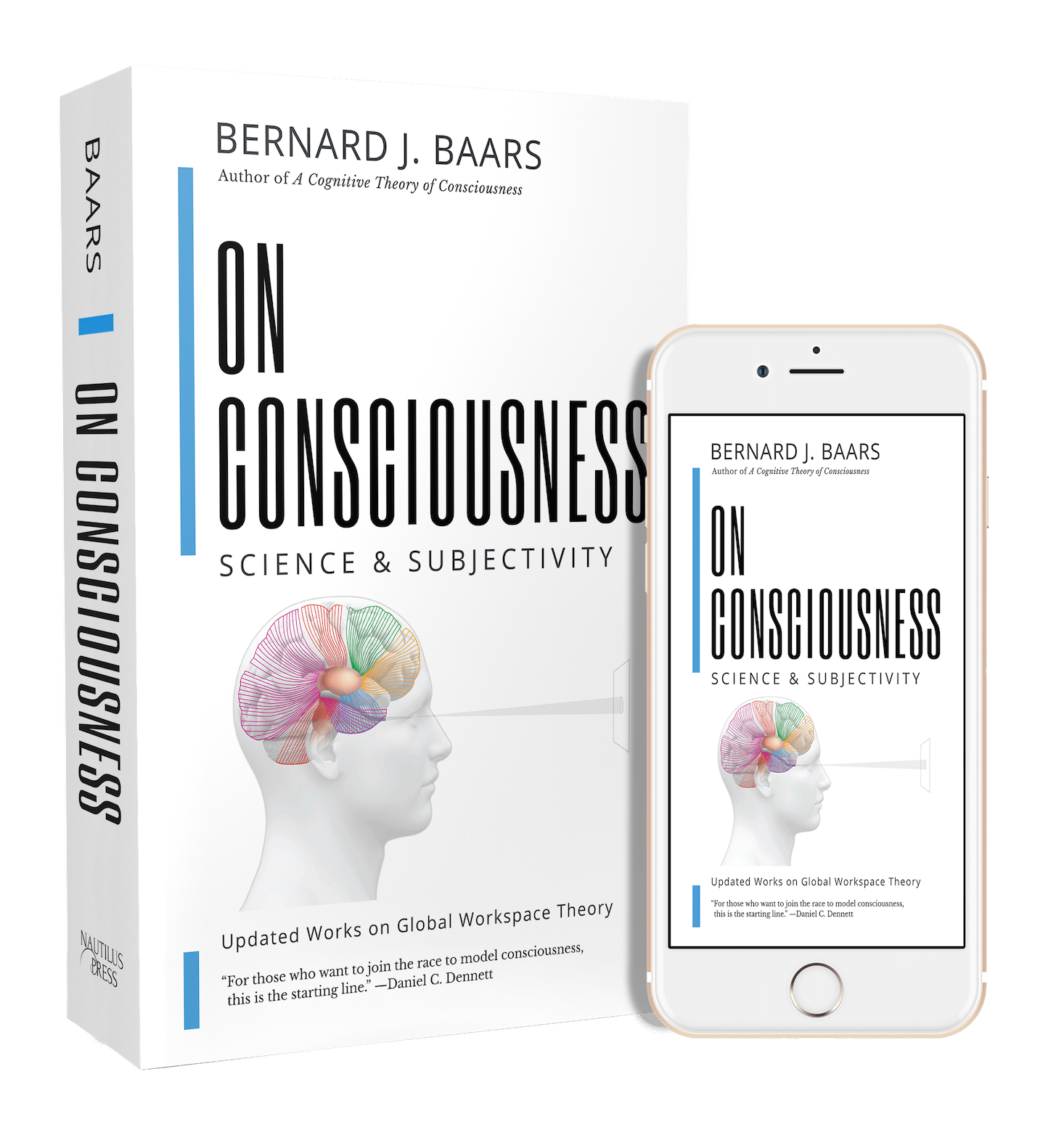
On Consciousness

Course Foundation

Let's begin!

Current Status

Not Enrolled

Price

$127.00

Get Started

Course Content

GWT II: Evidence for Widespread Integration & Broadcasting
Breakout Tutorials
Functional Hubs: A Global Workspace in the Brain (Deco et al., 2021)
The Global Workspace of Consciousness is Dynamic 2 Topics
The Cortex Works as a Whole (Baars et al., 2021) 1 Topic
Lesson Content
0% Complete 0/1 Steps
0
    Your Cart
    Your cart is empty