About This Course
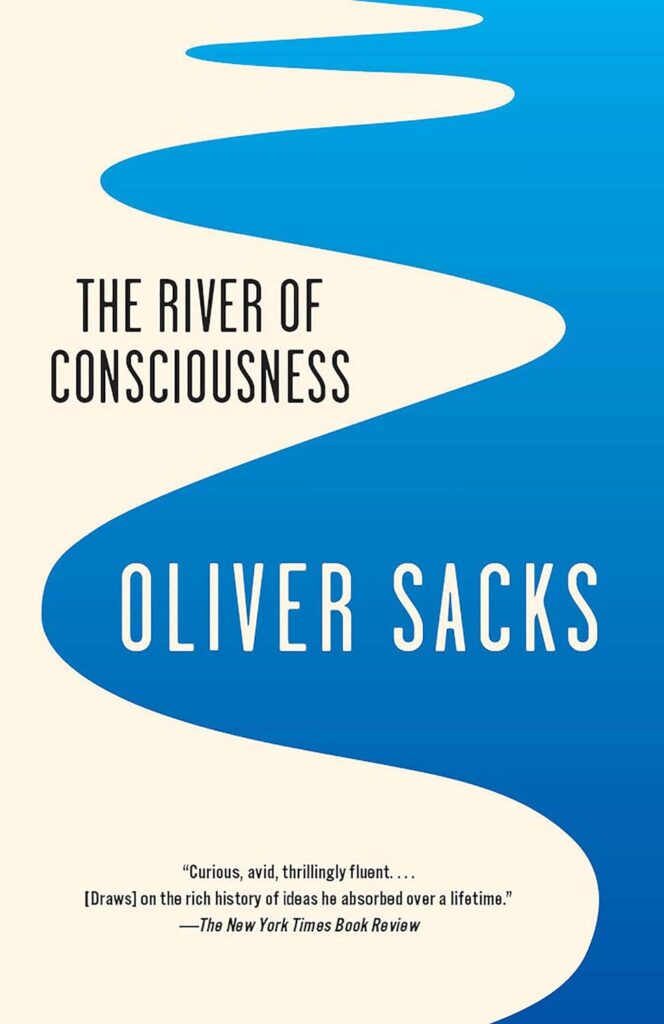
“If one allows that a dog may have consciousness of a significant and individual sort, one has to allow it for an octopus, too.
Nature has employed at least two very different ways of making a brain ⎯ indeed, there are almost as many ways as there are phyla in the animal kingdom. Mind, to varying degrees, has arisen or is embodied in all of these, despite the profound biological gulf that separates them from one another, and us from them.”
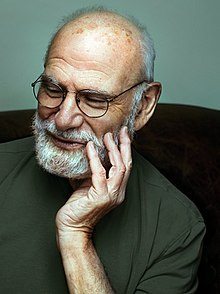
— Oliver Sacks, CBE FRCP
British neurologist, naturalist, historian of science, and writer. Excerpt from “River of Consciousness” pp. 76-77.
The question of whether some non-human animals are capable of awareness has vexed psychologists, neuroscientists, and philosophers of mind for many decades.
In recent decades, there has been an enormous rise in directly relevant evidence so that we have become much more confident about asserting the reality of consciousness in other animals. All mammals have prominent cerebral cortex covering the rest of the brain.
Other species, like birds and reptiles, have a very similar structure called the “pallium” but biologists are now arguing that we should change that word “pallium” to cortex (Jarvis, E., Güntürkün, O., Bruce, L. et al., 2005). When we do that, most of the large brained animals we know seem to be conscious.
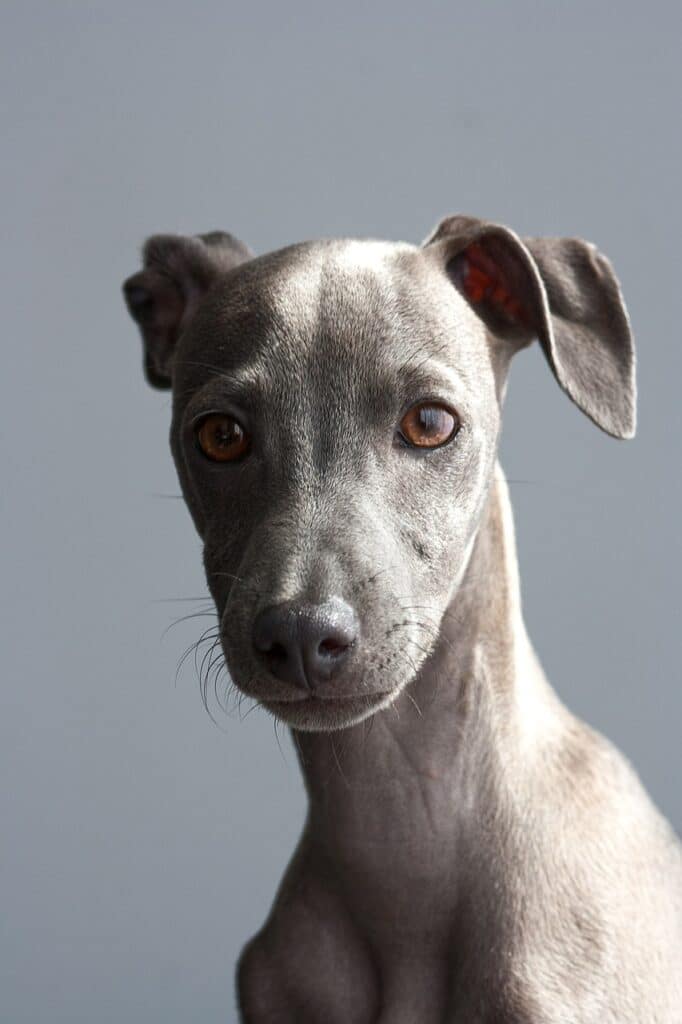
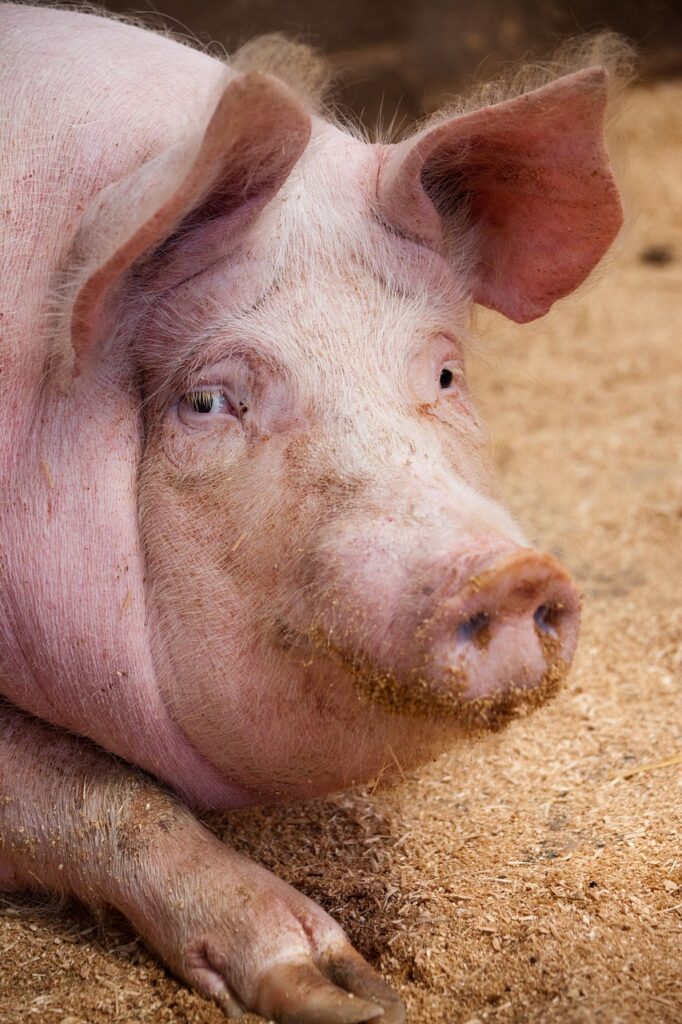
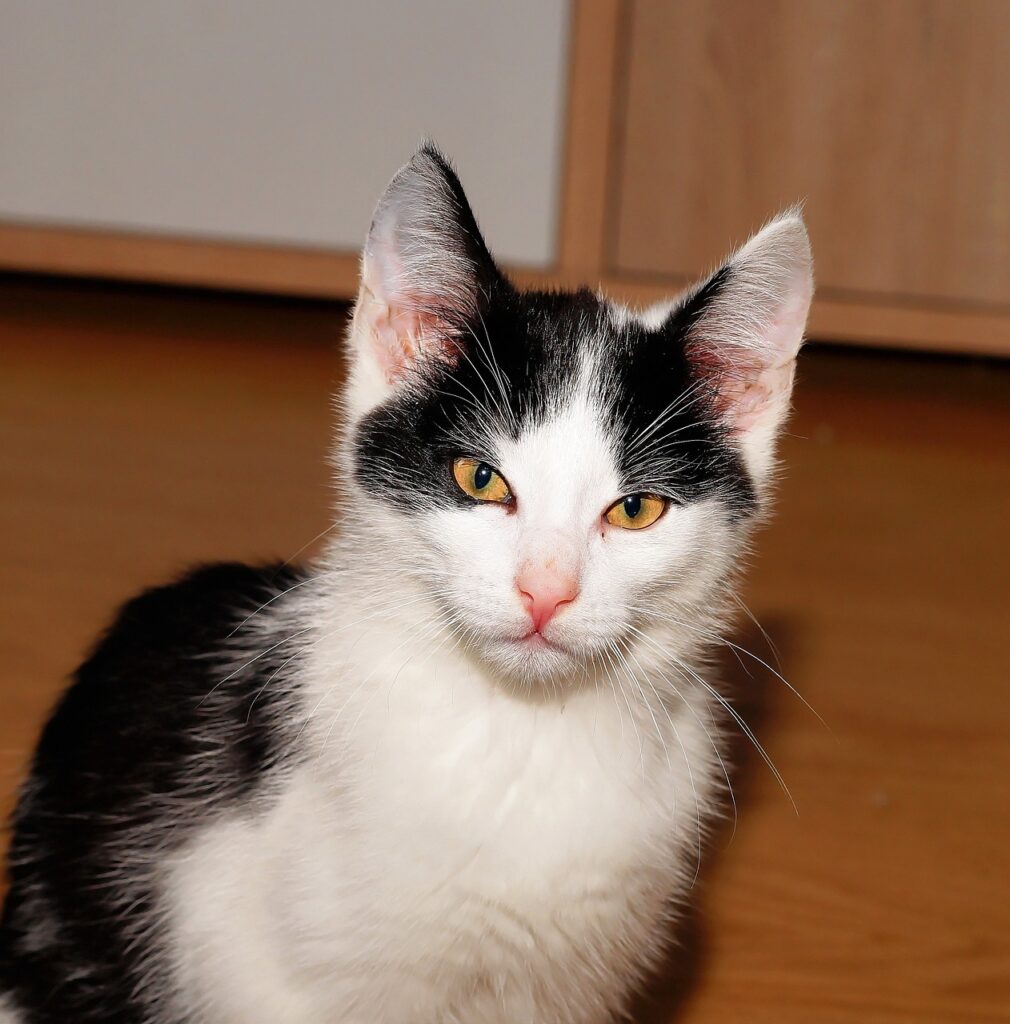
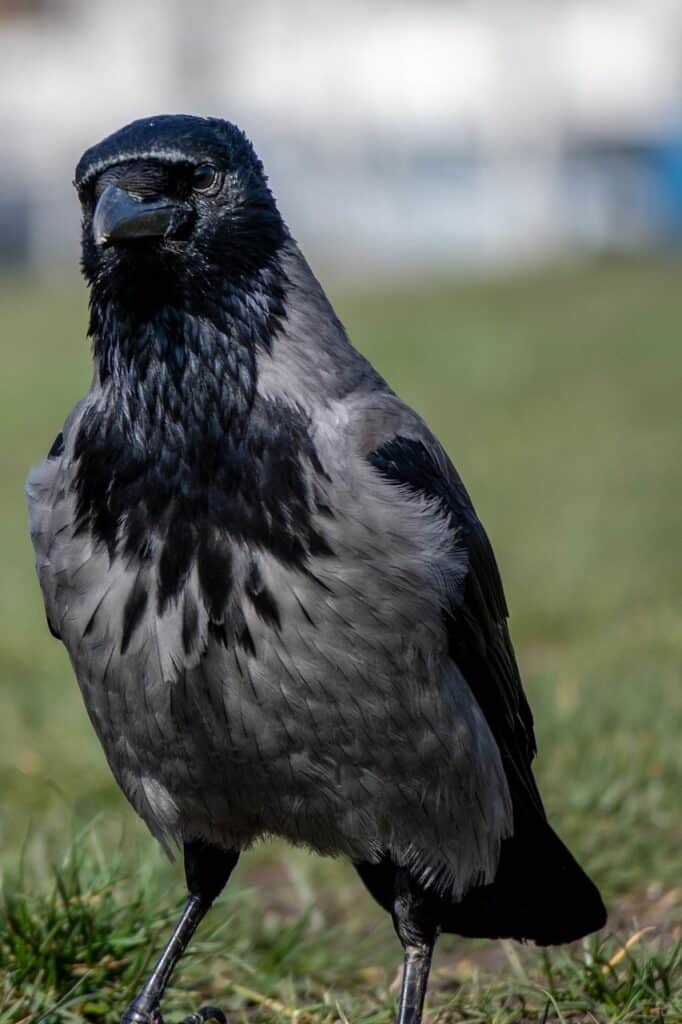
In these seminars and media-rich lessons, you will examine scientific evidence for animal consciousness.
Since we know more about humans than any other animal species, we start with human beings as a benchmark. Humans can give us accurate reports about their conscious experiences, and other animals can do similar tasks. All these animal species also show similar sleep-waking cycles. This view reflects the thinking of many scientists.
In this course:
- You will explore the evidence supporting consciousness in non human animals and other species, drawn from neuroscience, the behavioral sciences, evolutionary biology, the history of sensory science, brain anatomy, and philosophy.
- Since we know more about humans than any other animal species, we start with human beings as a benchmark. Humans can give us accurate reports about their conscious experiences, and other animal species can do similar tasks.
- We discuss the brain anatomy and physiology that point to a number of features shared by all mammals, which offers a new understanding of consciousness.
- You will examine the cerebral cortex across different human and non human animals, and will gain an understanding of fundamental brain anatomy, the cortico-thalamic (C-T) system of the brain and how it functions.
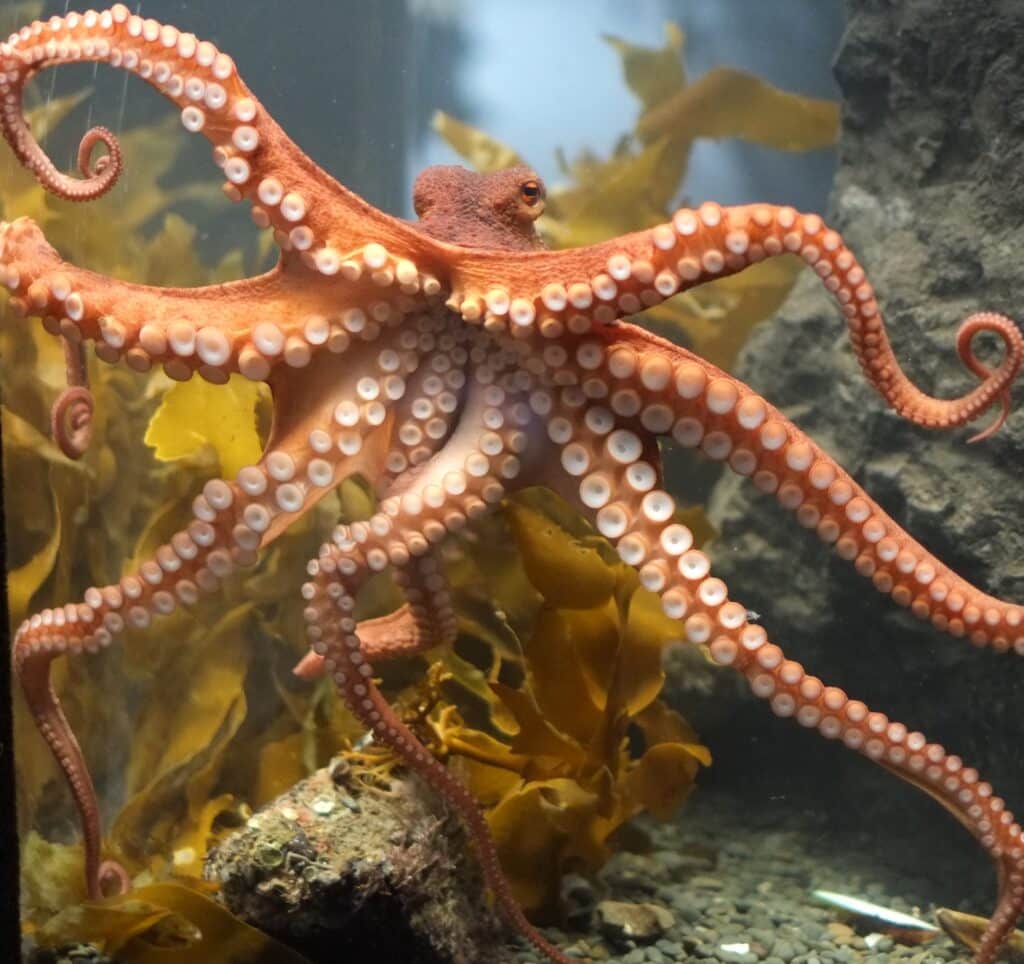
- You will examine consciousness in invertebrates (animals without a spine) by exploring the very different brain anatomy and behavioral traits in cephalopods, like the octopus.
- We reflect on the prospect of consciousness as a biological phenomenon, and discuss higher order consciousness, behaviors, sensory anatomy & function as markers for subjectivity across human and non human animals.
Jarvis ED, Güntürkün O, Bruce L, Csillag A, Karten H, Kuenzel W, Medina L, Paxinos G, Perkel DJ, Shimizu T, Striedter G, Wild JM, Ball GF, Dugas-Ford J, Durand SE, Hough GE, Husband S, Kubikova L, Lee DW, Mello CV, Powers A, Siang C, Smulders TV, Wada K, White SA, Yamamoto K, Yu J, Reiner A, Butler AB; Avian Brain Nomenclature Consortium. Avian brains and a new understanding of vertebrate brain evolution. Nat Rev Neurosci. 2005 Feb;6(2):151-9. doi: 10.1038/nrn1606. PMID: 15685220; PMCID: PMC2507884.